Mugoiri School, Kenya
Mugoiri School, Kenya
Overview
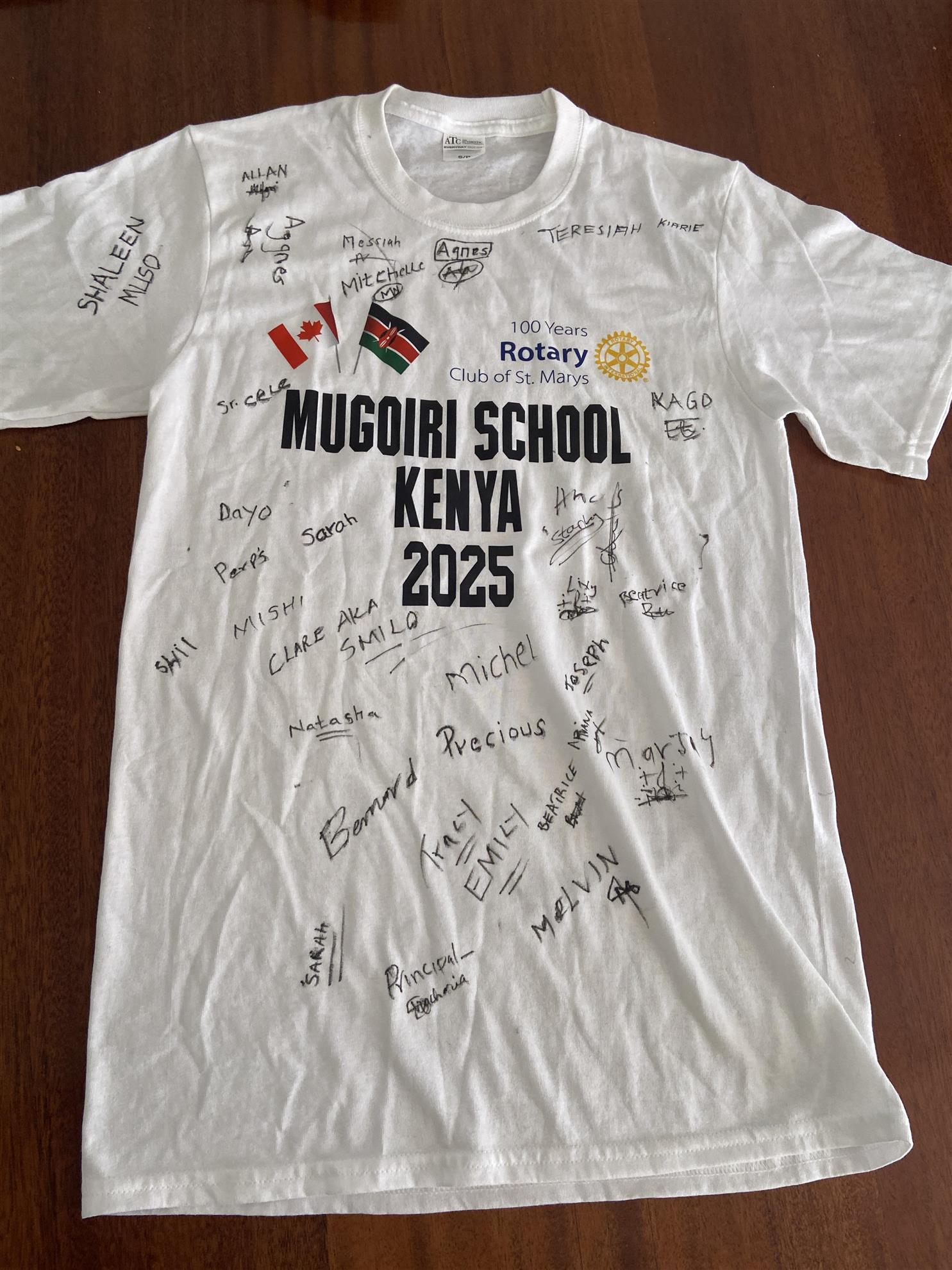
As a Centennial project, the Club undertook a service initiative in Kenya in partnership with Mugoiri Secondary School.
The project originated with a single, clearly defined objective: to support the construction of washroom facilities at the school. This proposal was presented to the Club for approval, as it formed the basis of local fundraising efforts. Once approved, fundraising proceeded in support of this primary objective.
In parallel with the washroom project, two additional areas of need were identified in advance and incorporated into the overall initiative as planned Rotary service projects: Kits for Kenya, supporting girls’ health and dignity through reusable feminine hygiene kits, and access to computers for learning.
These components complemented the washroom project and reflected the Club’s broader commitment to student health, dignity, and education, while remaining distinct from the fundraising mandate.
Washroom Facilities
Why Washroom Facilities Were Identified
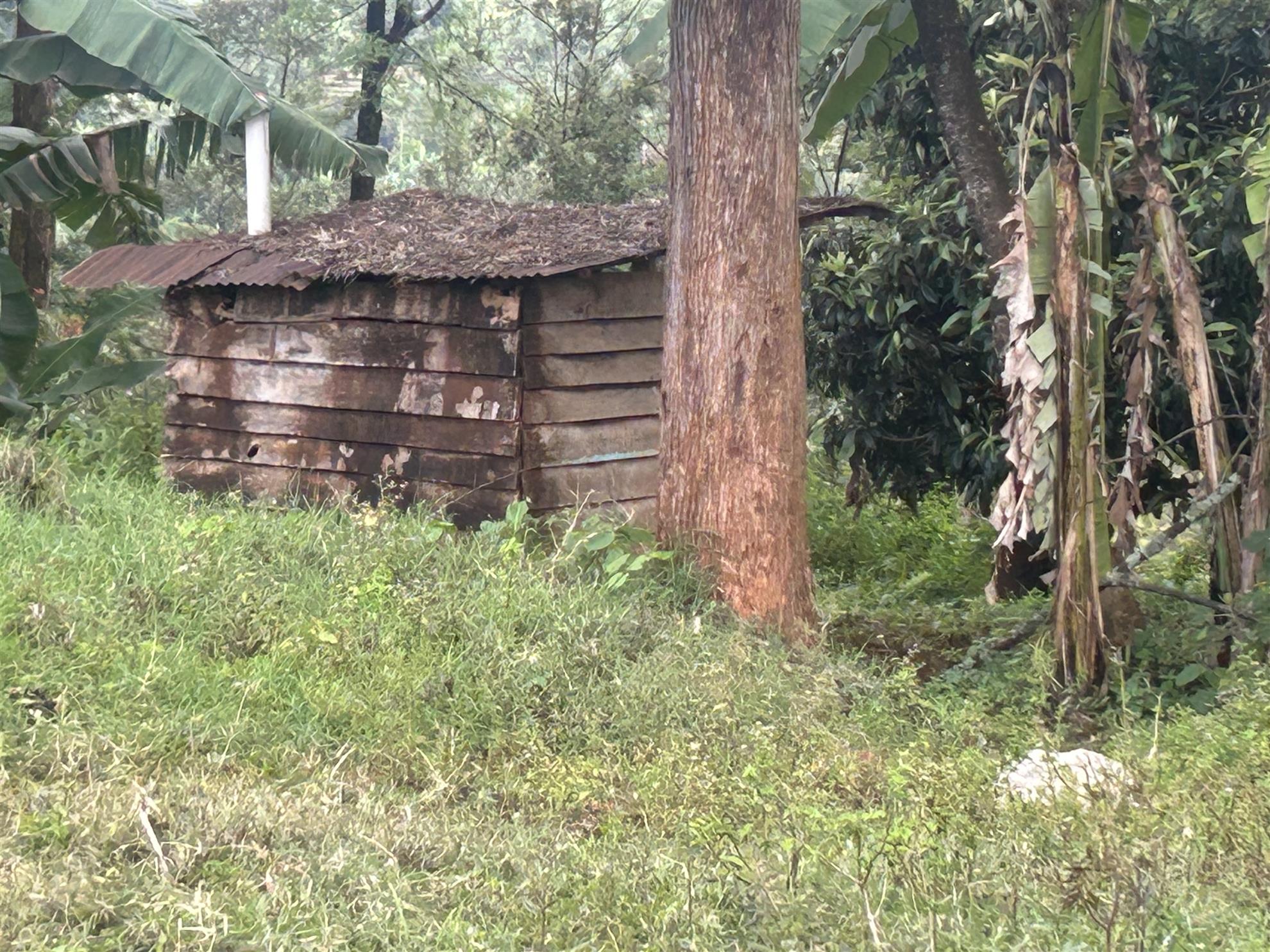
Washroom facilities at Mugoiri Secondary School were identified as an urgent and practical need. Adequate washrooms are fundamental to student health, dignity, and daily school life, and their absence affects attendance, learning, and overall well-being.
This was an area where the Club could provide meaningful and appropriate support in partnership with the school. Support for washroom facilities formed the basis of the project presented to the Club and was the sole focus of fundraising efforts related to the Kenya initiative.
What Was Supported
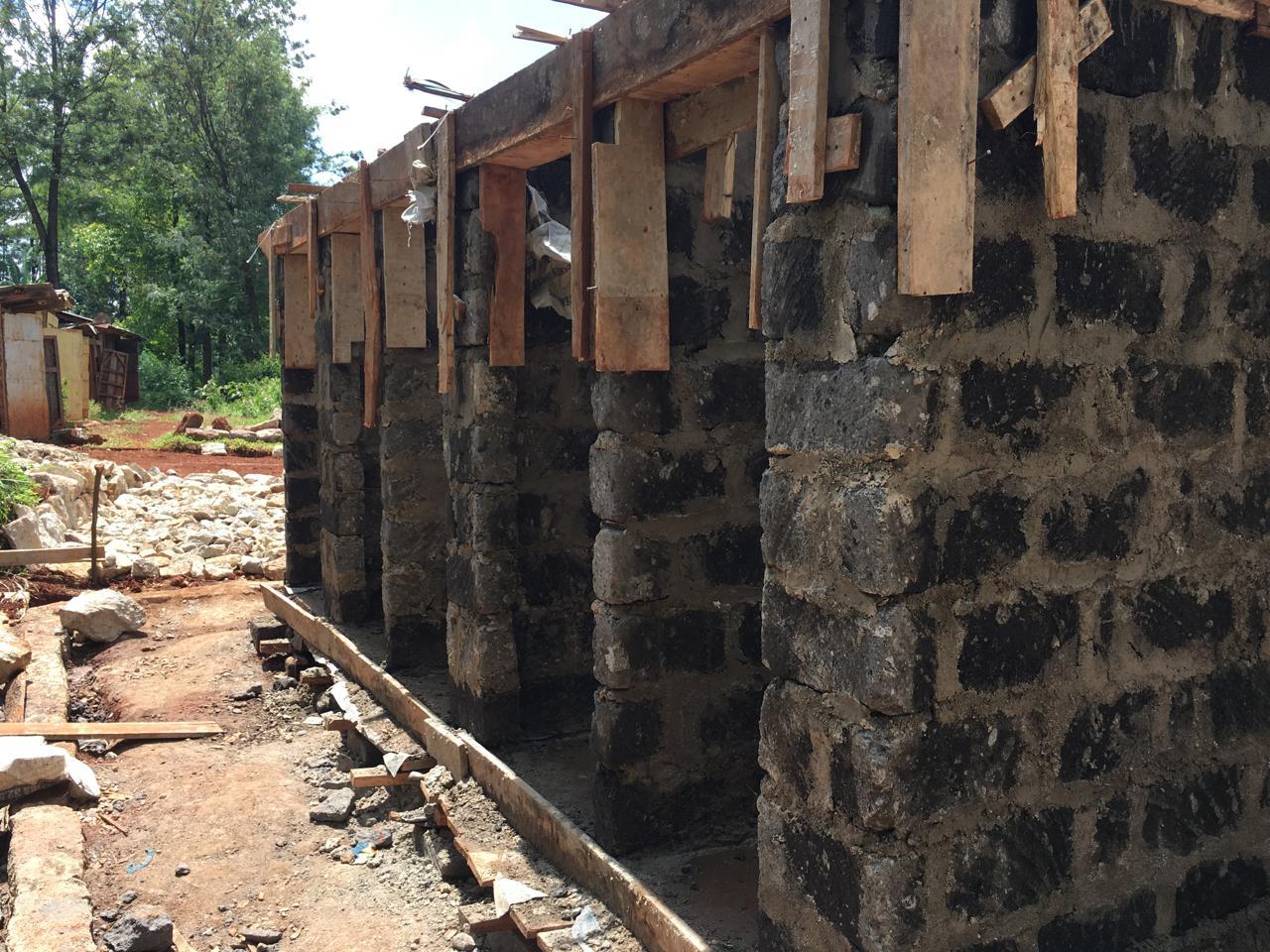
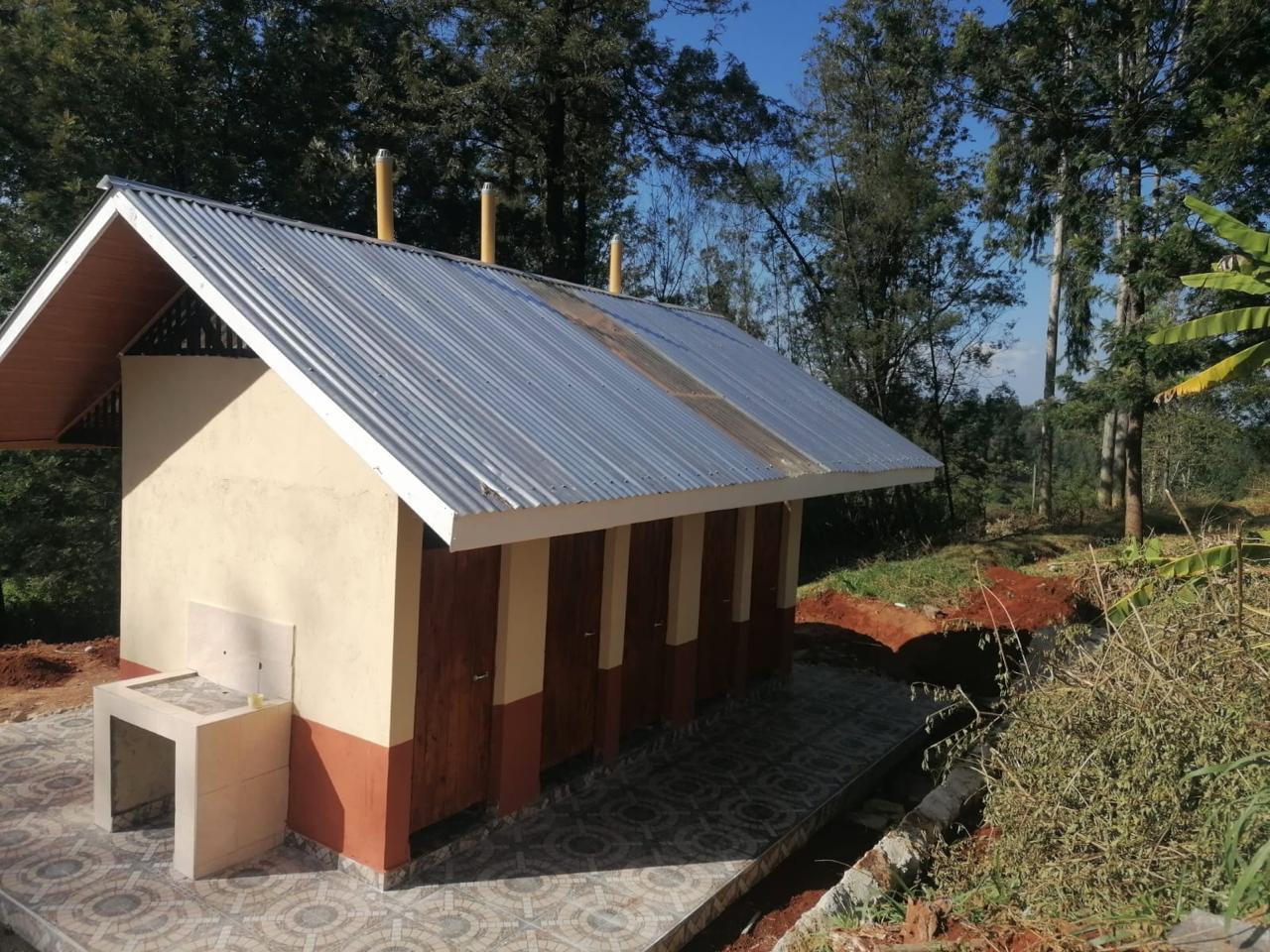
Support was provided for the construction of three separate washroom structures at Mugoiri Secondary School:
- facilities for boys
- facilities for girls
- facilities for staff
The project included the development of appropriate pathways connecting the facilities, reflecting practical use, accessibility, and dignity for all users. Construction was carried out locally, with oversight and coordination based in the community.
Computers
Purpose and Approach
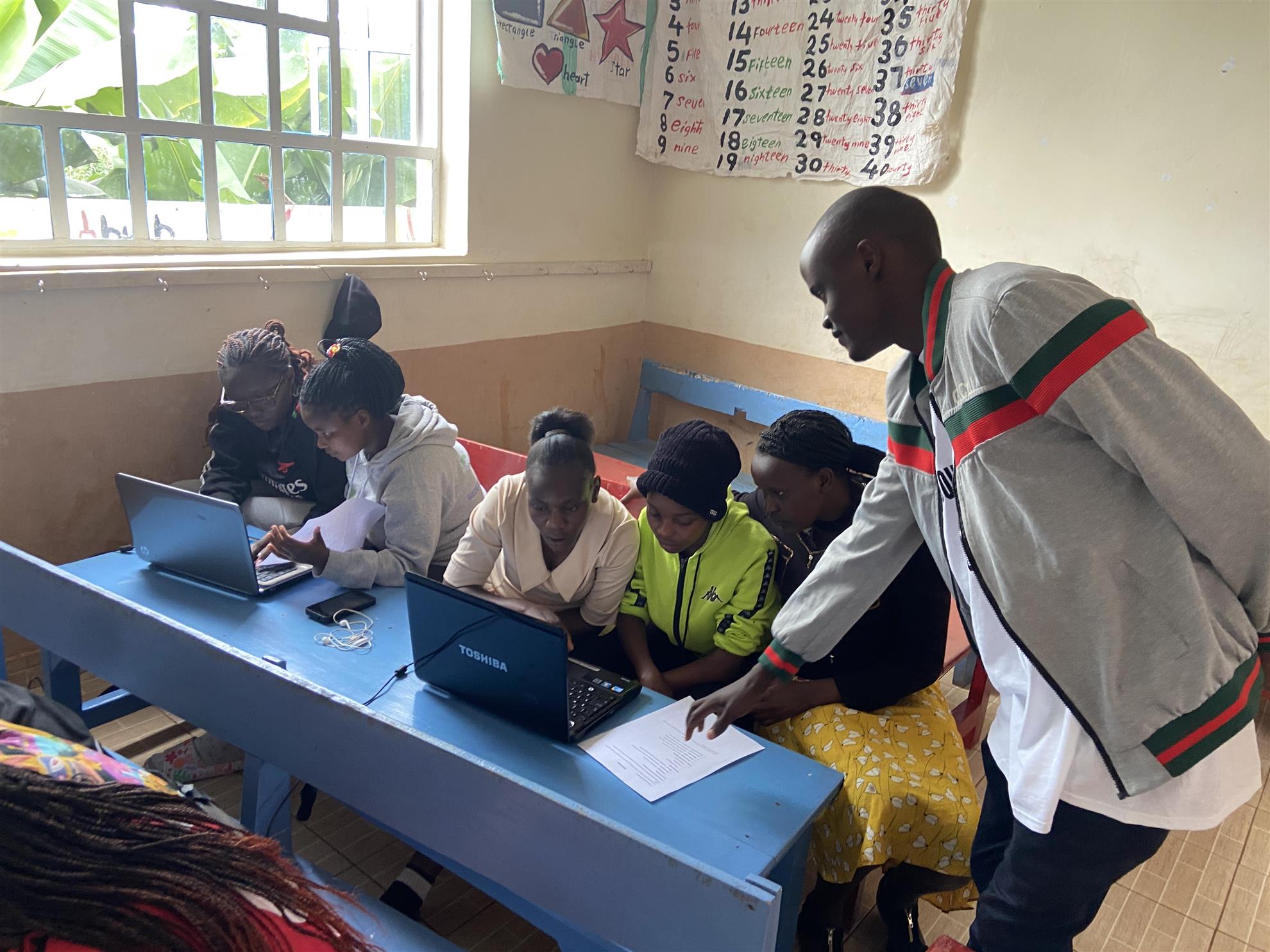
Access to computers for student learning was identified in advance as one of the planned Rotary service projects accompanying the washroom facilities initiative. The intent was not simply to deliver hardware, but to support usable, sustainable computer access that could be maintained locally over time.
This work was undertaken separately from the washroom fundraising mandate and relied primarily on donated equipment, preparation in Canada, and local coordination at the school.
Donations and Preparation
Computers were donated by members of the public and prepared prior to departure. Care was taken to ensure that the systems provided were suitable for the school environment and could function reliably without dependence on continuous internet access or external technical support.
A total of nine computers were delivered to Mugoiri Secondary School.
Local Sustainability and Ownership
An important aspect of the computer project was local sustainability. During the visit, the individual overseeing washroom construction was identified as having a computer science background. Responsibility for the ongoing management and use of the computers has since transitioned locally, supporting continuity beyond the Club’s presence.
Local ownership was a key consideration in the design and implementation of the computer support provided.
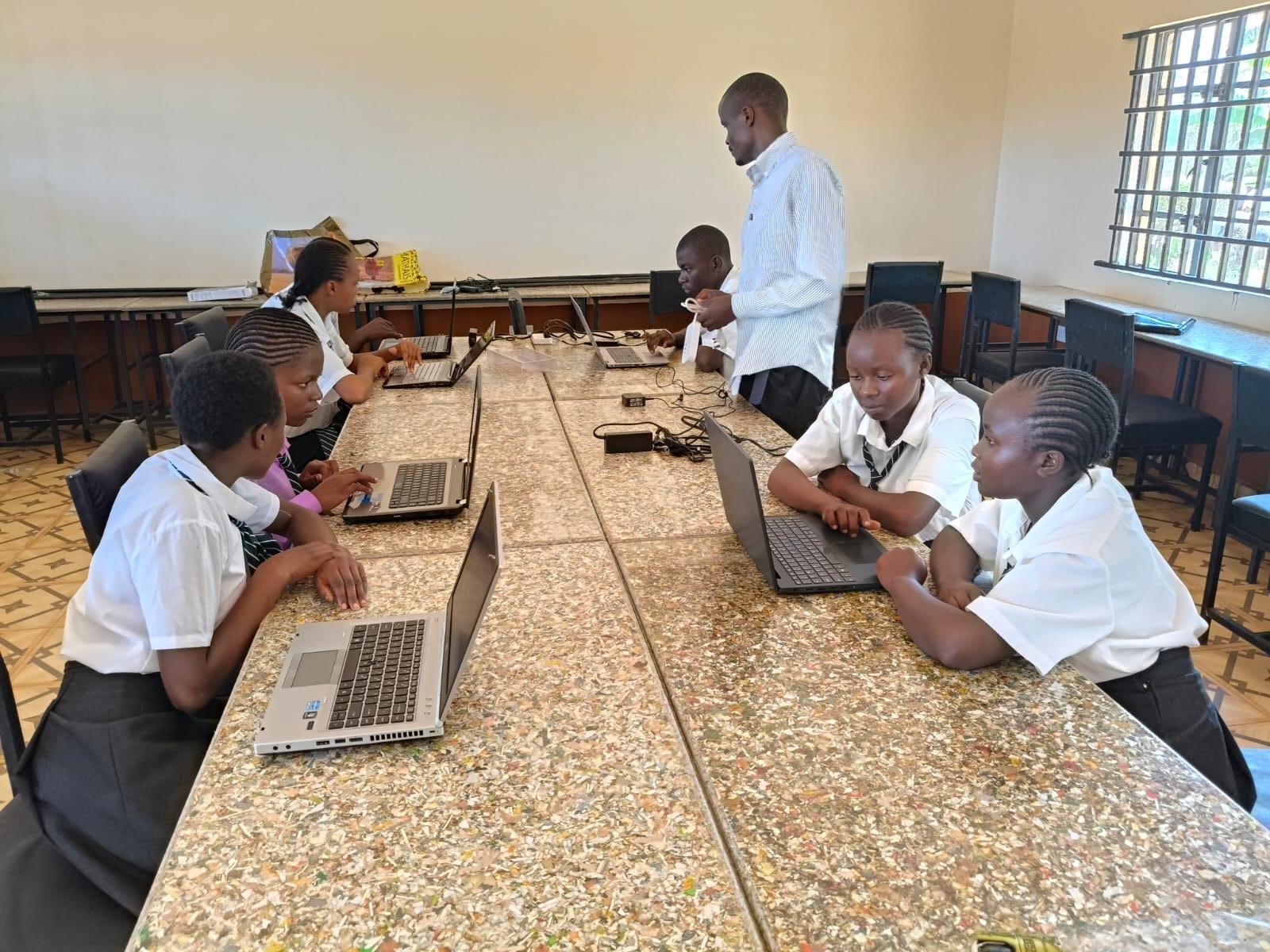
Computer Lab
In addition to providing computers, project funds were used to remodel an existing classroom to function as a dedicated computer lab. This work included securing the room and adding electrical service to support safe and reliable use of the equipment.
Kits for Kenya
Purpose and Background
Kits for Kenya was a planned Rotary service project focused on supporting girls’ health, dignity, and school participation through access to reusable feminine hygiene products. This initiative built on previous support provided to Mugoiri Secondary School through purchased hygiene products and was designed to offer a more sustainable, community-based solution.
Preparation and Community Involvement
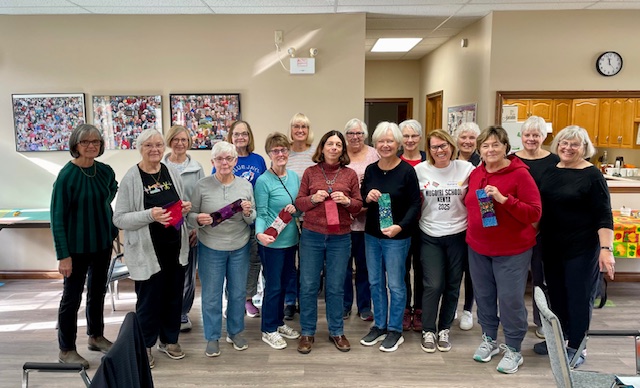
On Friday, October 31, 2025, volunteers gathered at the Thames Valley Community Centre to prepare the Kits for Kenya. In total, 60 kits were completed, each containing reusable feminine hygiene products intended for use by girls at Mugoiri Secondary School.
Delivery and Sustainability
In addition to the finished kits, fabric, patterns, and tools were provided to support continued local production. The project was intentionally designed to enable ongoing use and knowledge-sharing within the community beyond the Club’s involvement.
Significance
By pairing immediate support with materials and skills for continued production, Kits for Kenya moved beyond short-term assistance toward a model that encourages continuity and self-reliance.
Classroom Improvements
Purpose and Scope
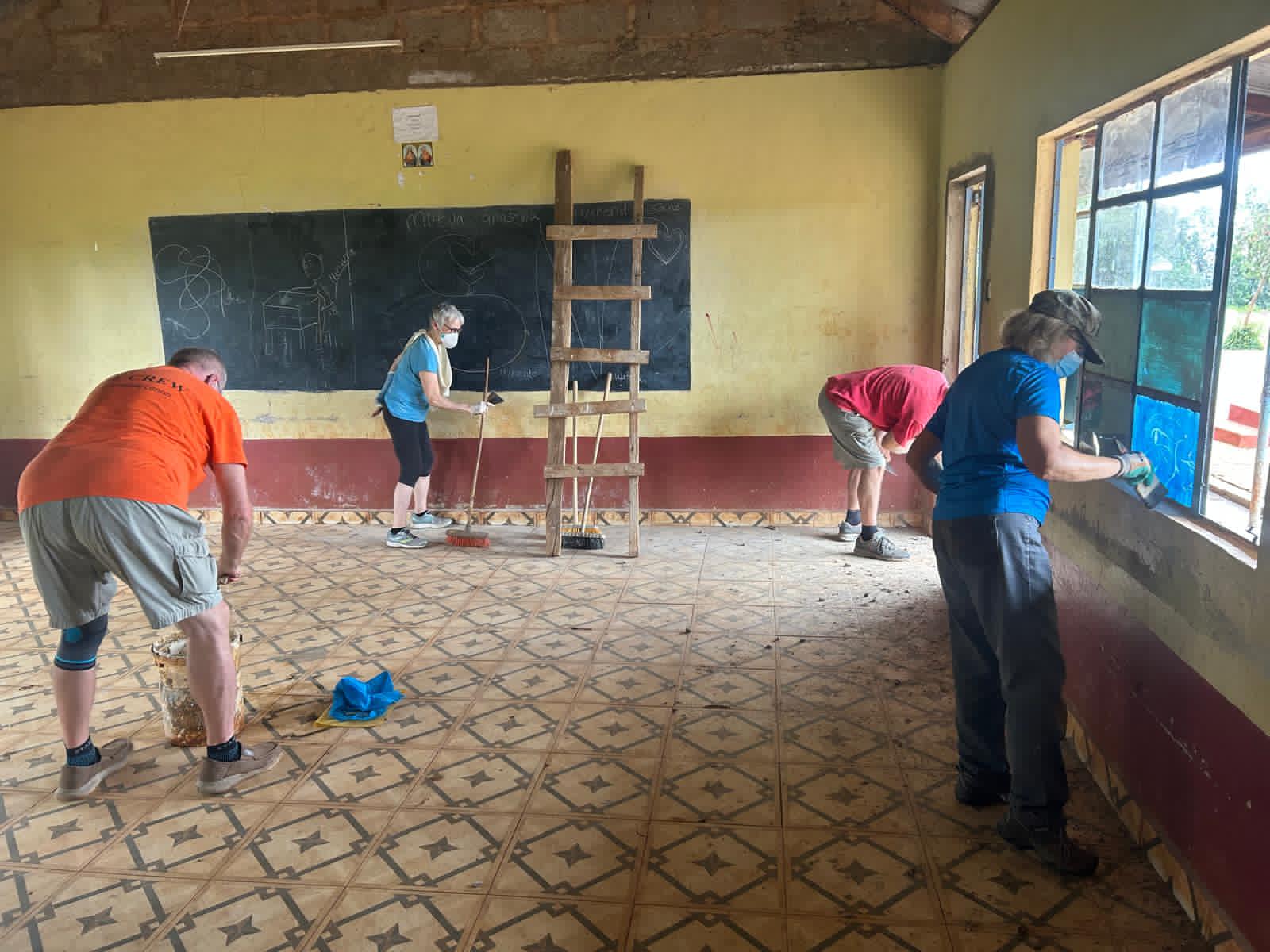
Classroom improvements were undertaken during the visit to support a more welcoming and functional learning environment for students and staff. This work focused on practical, hands-on contributions rather than structural changes.
Work Undertaken
Volunteers provided labour to support classroom improvements, including cleaning of classroom spaces and painting of classrooms and shared staff areas. Supplies and materials required for this work were paid for using funds raised for the project.
Significance
Although modest in scope, the classroom improvements contributed to a refreshed learning environment and demonstrated the value of combining locally sourced materials with shared volunteer effort to address practical needs.
Facilitated Contributions from the St. Marys Community
In addition to the planned Rotary service projects, two community-led contributions from St. Marys were facilitated during the visit. These were not Rotary projects and were separate from the Club’s fundraising efforts.
Book Donation
Funds donated by a group of ten readers from St. Marys were used to purchase 30 curriculum revision textbooks covering all subject areas. The books were purchased locally from a textbook store in Nairobi and provided directly to the school for student use.
[Image placeholder – Loss Hearts]
Loss Hearts
Another facilitated contribution was the delivery of Loss Hearts, a community-led initiative founded by Leslie Switzer. Loss Hearts are handmade fabric hearts offered as gestures of comfort and acknowledgment to individuals experiencing grief and loss. The Rotary Club facilitated the transport and delivery of these items to local recipients.
Acknowledgements
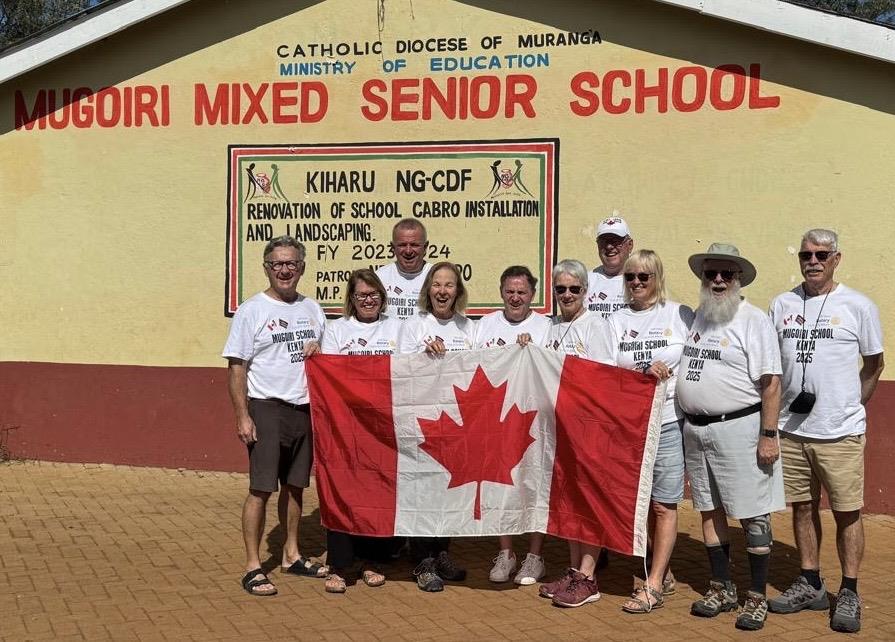
The Kenya projects described on this page were made possible through the collective efforts of many individuals and groups.
The Rotary Club extends its sincere appreciation to the Mugoiri Secondary School community for their partnership, openness, and collaboration. Their guidance and local leadership were essential throughout the planning and implementation of the work.
Thanks are also extended to members of the St. Marys community who supported the project through fundraising, donations, preparation, and shared acts of care. Their generosity and willingness to contribute in practical ways strengthened the overall impact of the initiative.
Finally, the Club acknowledges the time, effort, and commitment of those who travelled to Kenya and those who supported the work from home. Special recognition is extended to Rotarian Andrew Middleton for organizing and coordinating the Mugoiri project.